
You’re on the roadside with the check engine light on — phone in one hand, keys in the other. Should you open an app right now or pull a dedicated reader from the glovebox?
If you’ve asked that question, the real decision comes down to five practical criteria: cost and convenience, reliability and accuracy, feature set, vehicle compatibility, and long-term use/ownership. Below I compare OBD2 scanner apps and dedicated code readers by those criteria to help you pick the right tool for your typical use.
Decision criteria to use when choosing
- Cost and upfront convenience — how much you’ll spend and how fast you can start diagnosing.
- Reliability and connection stability — real-world performance in varied conditions (cold car, older vehicles, weak Bluetooth).
- Depth of features — stored codes, live data, freeze frame, ABS/SRS/advanced modules, bi-directional controls.
- Vehicle compatibility and updates — OBD protocol coverage and software updates for newer models.
- Workflow and ownership model — who uses it (DIY owner vs shop tech), whether you need repeatable diagnostics, and resale/transferability.
Cost and convenience: apps win for casual use
OBD2 scanner apps paired with a cheap Bluetooth or Wi‑Fi adapter are hard to beat for low cost and convenience. For around the price of a basic meal you can have an adapter that reads generic OBD2 codes and shows live engine data. The app runs on a device you already own, so there’s no extra handheld to carry or battery to charge.
Dedicated code readers require higher upfront cost but often include the adapter hardware and on‑device software out of the box. If you prefer plug-and-play without pairing, a handheld reader is faster for a quick check — just plug it in and read codes.
Reliability and stability: dedicated readers are generally more dependable
Bluetooth/Wi‑Fi adapters depend on your phone, app, and wireless stack. Intermittent disconnects, phone sleep modes, and incompatible Android/iOS Bluetooth implementations are common failure points — especially with cheaper adapters. In roadside or cold-weather situations, those hiccups become frustrating.
Dedicated handheld readers avoid those layers: their connection is wired to the vehicle and their interface is purpose-built. For repeated, reliable reads (and when you need to clear codes under pressure), a dedicated reader will give you fewer surprises.
Feature depth: apps can be powerful, but readers scale better for advanced diagnostics
Many OBD2 scanner apps cover the basics (read/clear codes, live RPM, coolant temp). Paid apps add data logging, customizable dashboards, and graphing. For engine-focused DIYers who want to log long test drives or correlate sensor trends, app + adapter can be excellent.
However, if you need coverage beyond generic OBD2 — like ABS, SRS (airbag), transmission, or manufacturer‑specific codes — dedicated readers (and mid‑tier handheld scanners) usually offer broader built-in support and deeper menus. Higher-end units also provide guided troubleshooting, component activation, and module coding that most phone apps and cheap adapters can’t access.
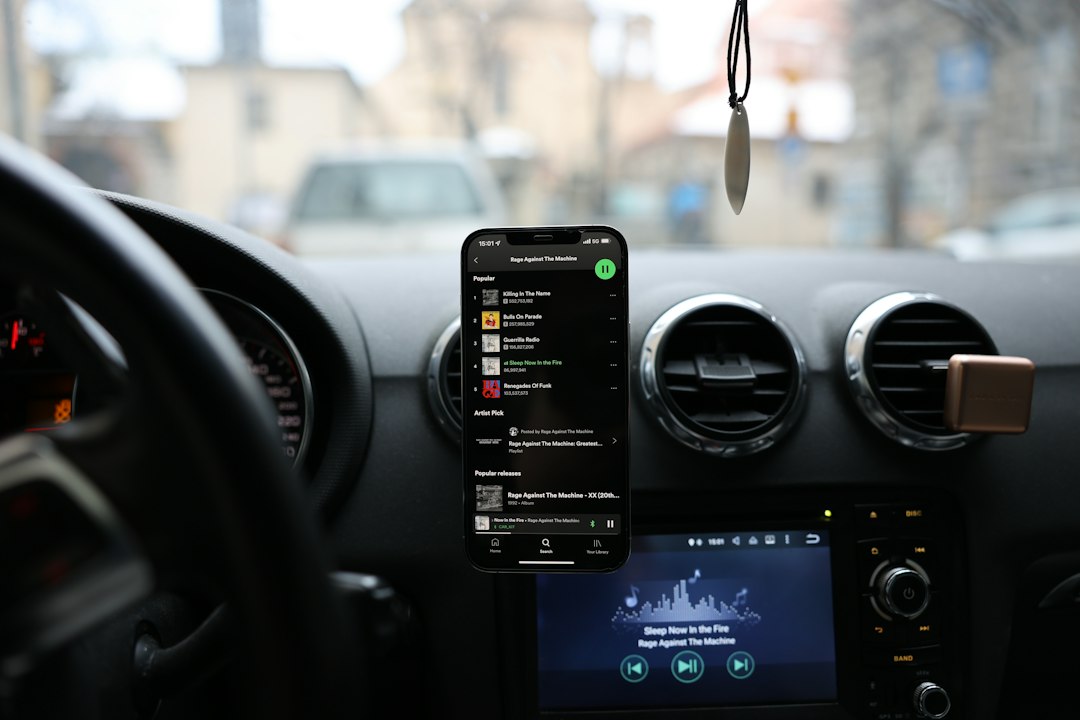
Vehicle compatibility and updates: who keeps up with new cars?
Compatibility matters more than most buyers expect. Cheap adapters and free apps may fail on some late-model vehicles or certain European/Asian brands that use manufacturer-specific PID sets. Dedicated readers from established brands typically ship updates and have broader protocol support out of the box.
If you own a newer car or plan to work on many different makes, a reader that advertises ABS/SRS/transmission support and provides firmware updates is safer. Conversely, if your car is a common make/model and you only need generic engine codes, an app with a reputable adapter will likely suffice.
Workflow and who benefits most from each option
Match the tool to your main use case:
- Occasional DIYer who wants a quick check and basic live data: OBD2 scanner apps + a reliable Bluetooth adapter. They’re inexpensive and provide immediate answers for check engine light causes and simple sensor checks.
- Hobbyist who logs drives or tweaks performance: a good app with paid features (data logging, export) and a high-quality adapter — better if the app supports background logging and stable connections.
- Owner of multiple vehicle makes or late-model cars: a mid-range dedicated reader with update support and ABS/SRS coverage reduces compatibility headaches.
- Professional or frequent DIY mechanic: a dedicated handheld scanner or tablet-based unit with advanced functions, strong build quality, and regular updates. Reliability and depth pay for themselves in a workshop setting.
Practical product recommendation
If you’re undecided but want a single tool that covers most owner needs without a big investment, a simple handheld OBD2 reader ranked highly in our catalog is a sensible first buy.
Why this recommendation fits
The recommended handheld unit reads and clears check engine codes instantly, doesn’t rely on phone pairing, and is easy to use for quick roadside checks — the exact strengths outlined above for a dedicated reader that matters to most car owners.
Common trade-offs to accept
- Price vs worry: lower cost app setups require accepting occasional connectivity quirks.
- Depth vs portability: dedicated scanners give depth but are another gadget to store and maintain.
- Updates vs obsolescence: cheap adapters and free apps may not keep pace with new PIDs; choose vendors that update firmware and app support when possible.
Final decision guide — which should you buy today?
Buy an OBD2 scanner app + a recognized-brand Bluetooth adapter if: you want the cheapest, most portable option for occasional checks, data logging, and you own a mainstream vehicle.
Buy a dedicated handheld code reader if: you want reliable, instant diagnostics without pairing hassles, you work on multiple vehicles, or you need ABS/SRS/transmission-level reads and firmware updates.
- Decide how often you’ll use the tool and on how many different makes.
- Verify the adapter/reader supports your vehicle’s year and major systems (ABS/SRS if needed).
- Read user reports about connection stability for the adapter or update frequency for the reader.
- Choose a handheld if you need instant, wired reliability; choose an app for logging and low cost.
For most car owners a solid handheld reader offers reliable, fast checks and fewer surprises. If cost and logging are top priorities and you accept occasional connectivity issues, a smartphone app with a quality adapter is a flexible, cheap solution.
Can an OBD2 app read ABS and airbag codes?
Most basic OBD2 apps paired with generic adapters read engine (powertrain) codes only; ABS and SRS require either a specialized adapter, manufacturer support in the app, or a dedicated scanner that lists those systems.
Will a Bluetooth adapter drain my car battery?
Some low-quality adapters draw power when the car is off. Look for adapters with sleep modes or unplug it after use to avoid battery drain.
Do dedicated readers need updates?
Yes—firmware and software updates expand vehicle coverage and fix bugs. Prefer brands that provide regular updates if compatibility is important.
Can apps log long drives?
Many apps support long-term logging and export to CSV, but ensure your phone stays awake and the adapter maintains a stable connection for the duration.
Which is better for resale value of a car?
Neither tool affects resale directly, but using a dedicated reader to clear misfires or diagnose persistent issues is safer; avoid clearing codes without fixing the root cause.


